
Atlantic spotted dolphins in Tenerife
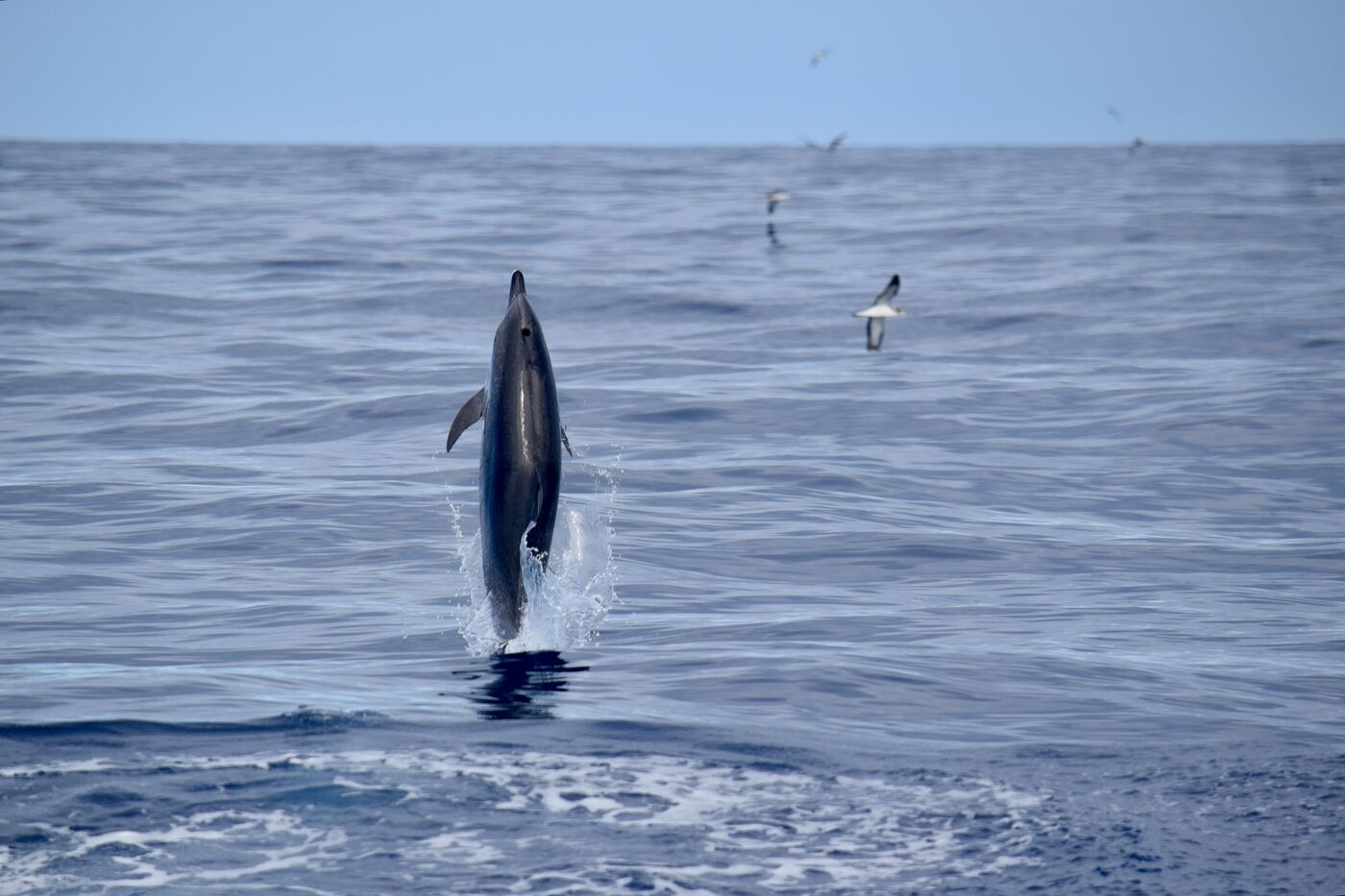
The summer arrival, and the one that produces the leaping you see in the brochures. Fast, numerous and covered in freckles that appear with age.
Recognising one
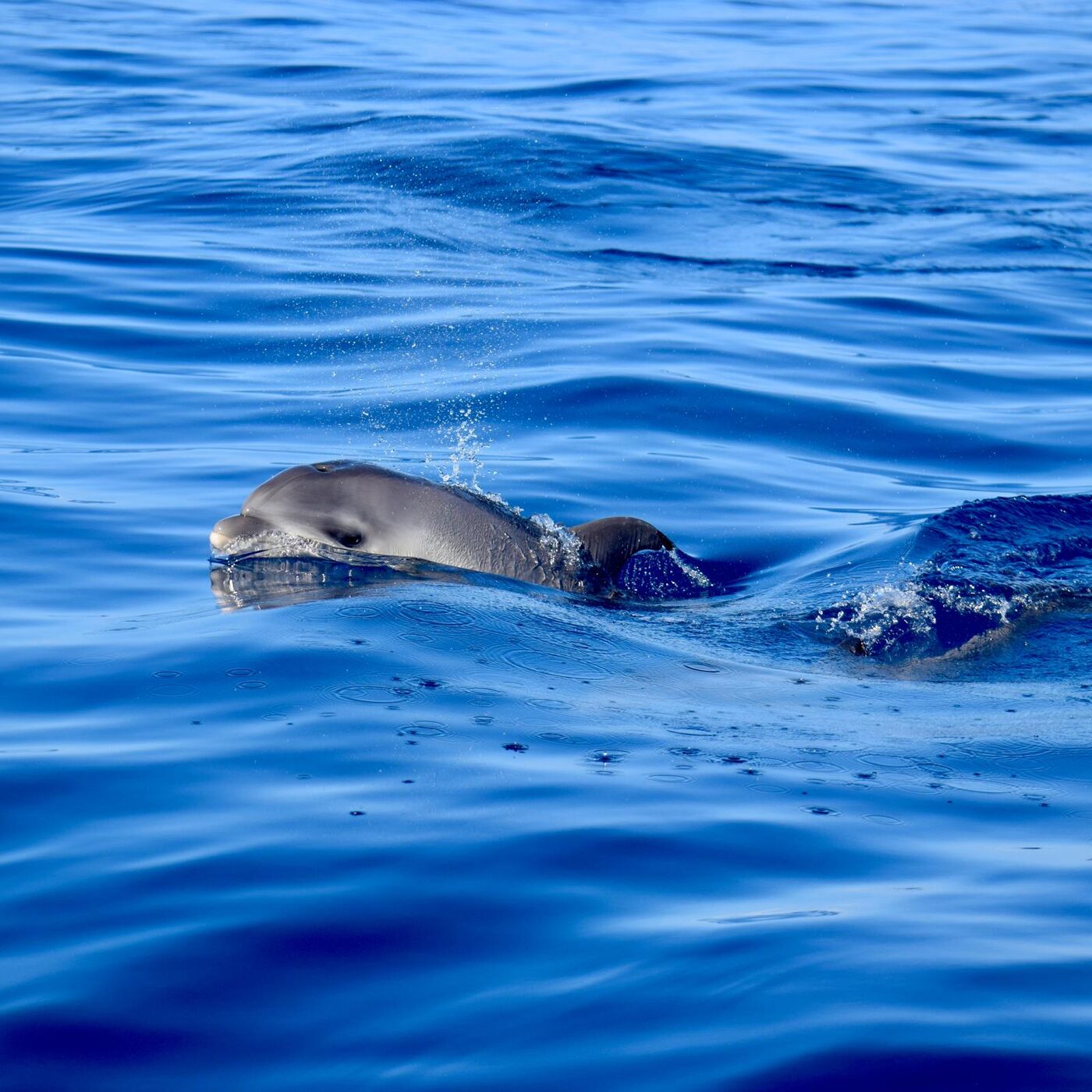
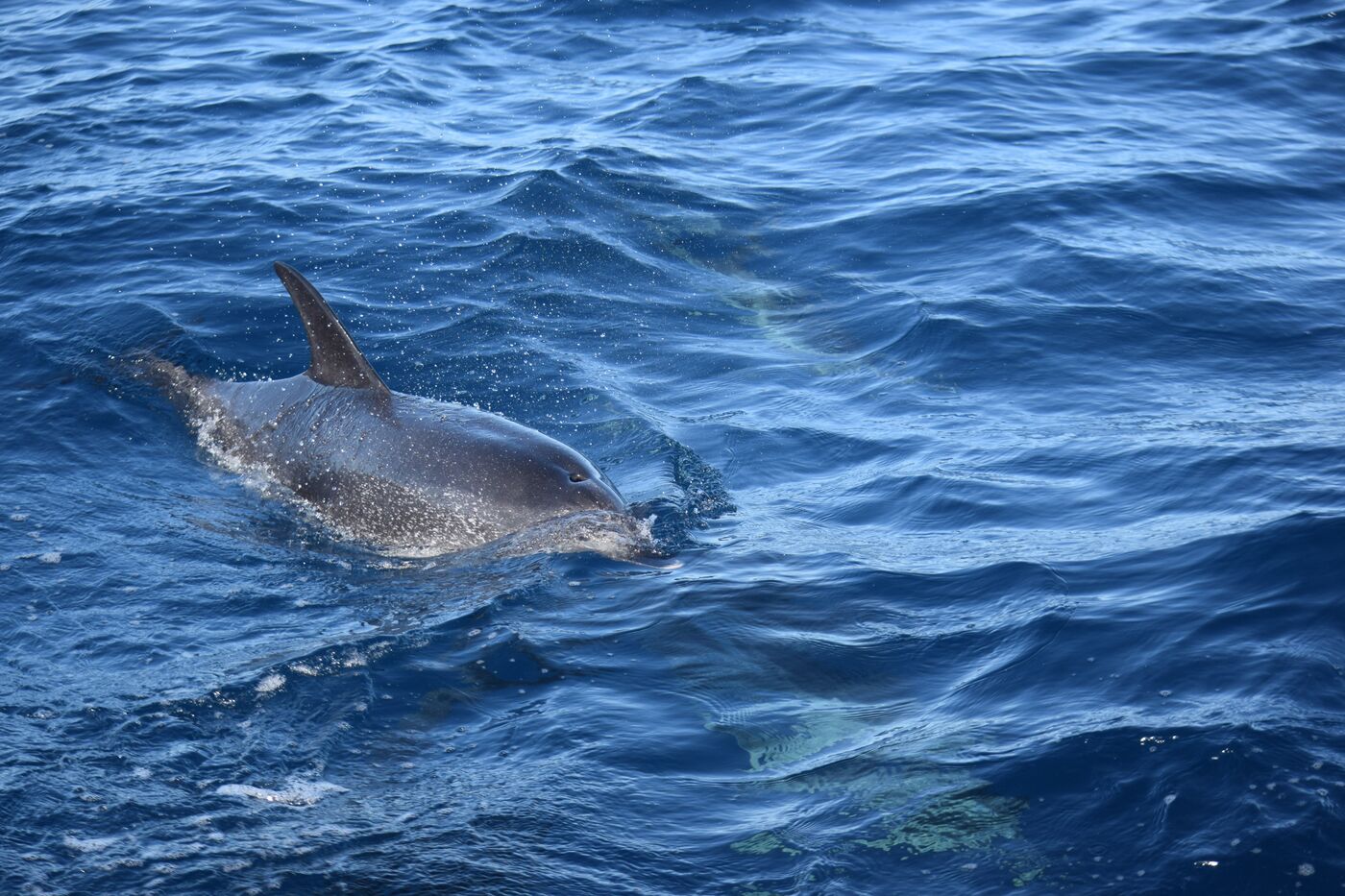
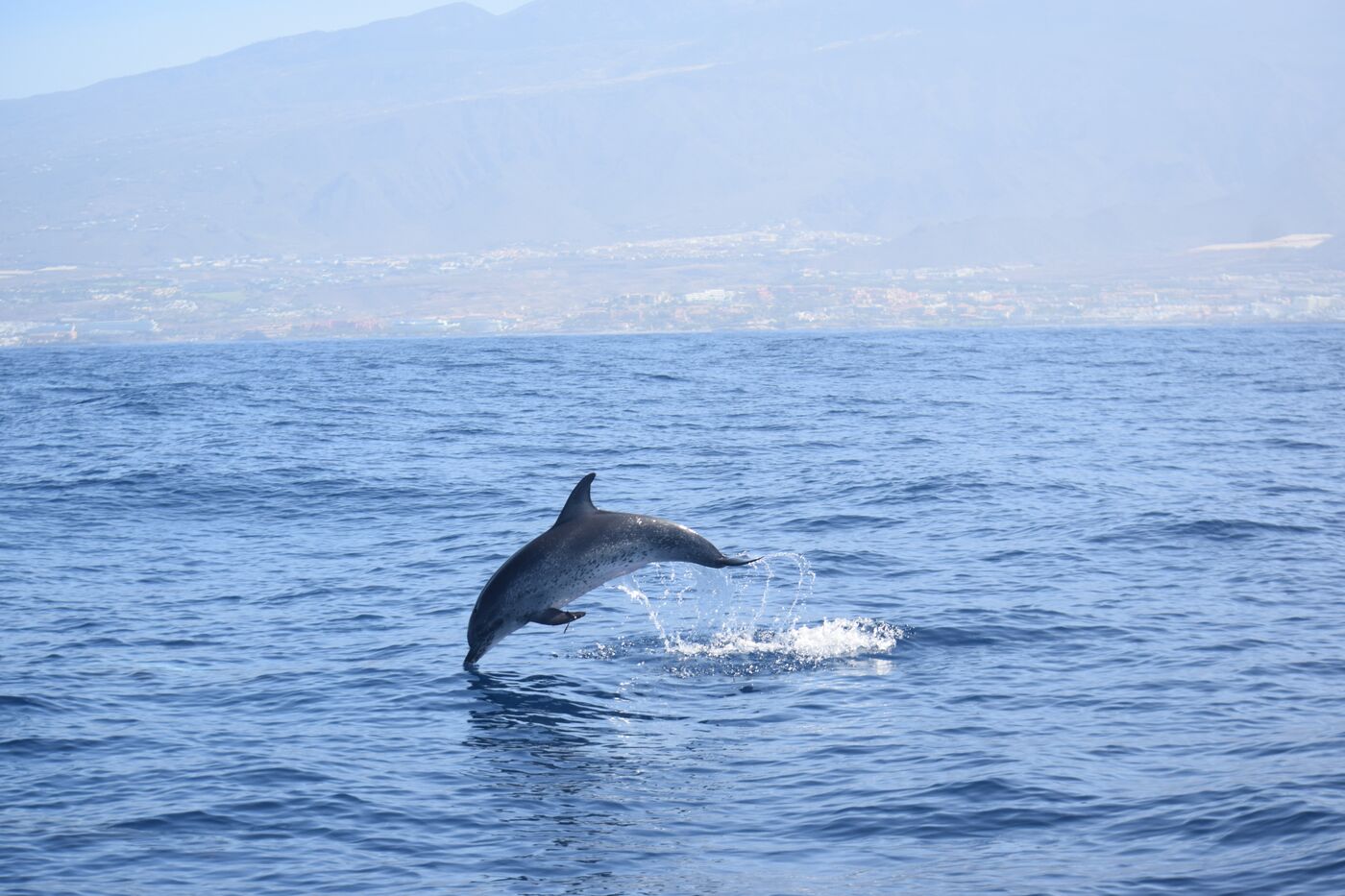
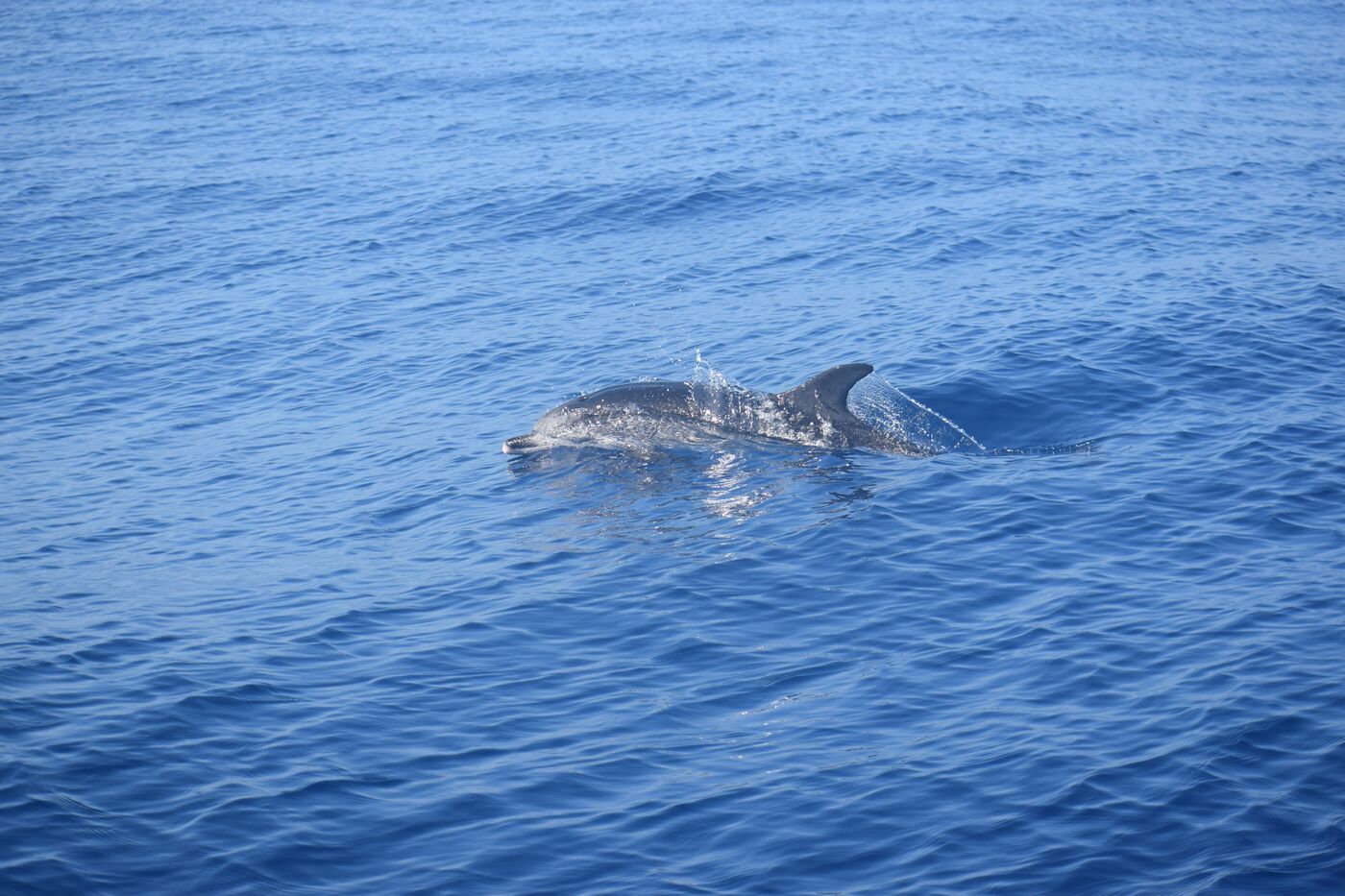
Smaller and much slimmer than a bottlenose, with a longer beak that often carries a white tip. The spots are the name and the clue: calves are born clean, and speckling builds up over years until an old animal can look almost mottled grey.
A single group therefore contains everything from plain juveniles to heavily spotted adults, which confuses people into thinking they are seeing two species.

When and where
Roughly May to October, arriving with the warmer surface water and leaving as it cools. They work the same channel off Costa Adeje as the residents but tend to stay shallower — most feeding happens in the top sixty metres.
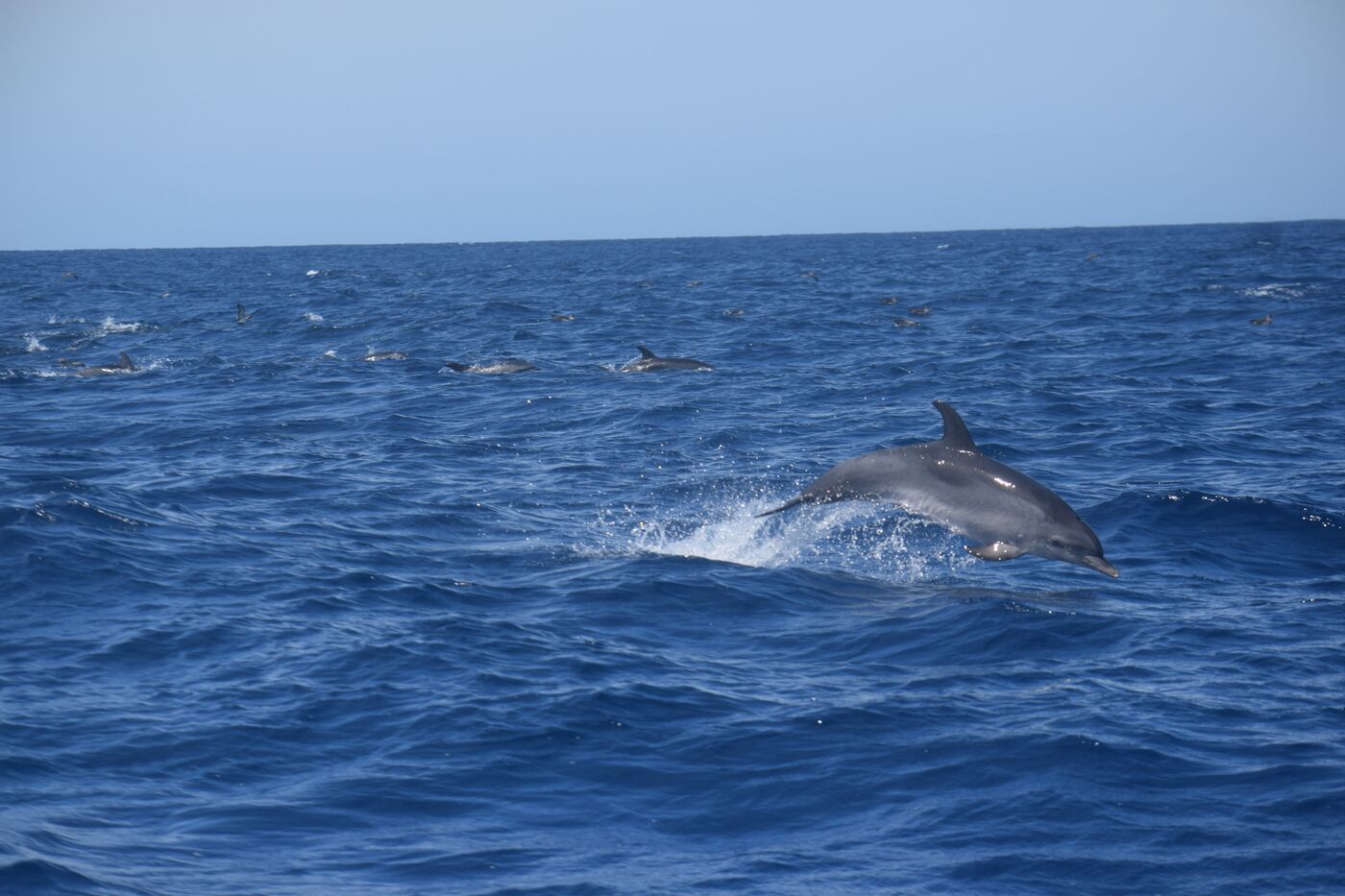
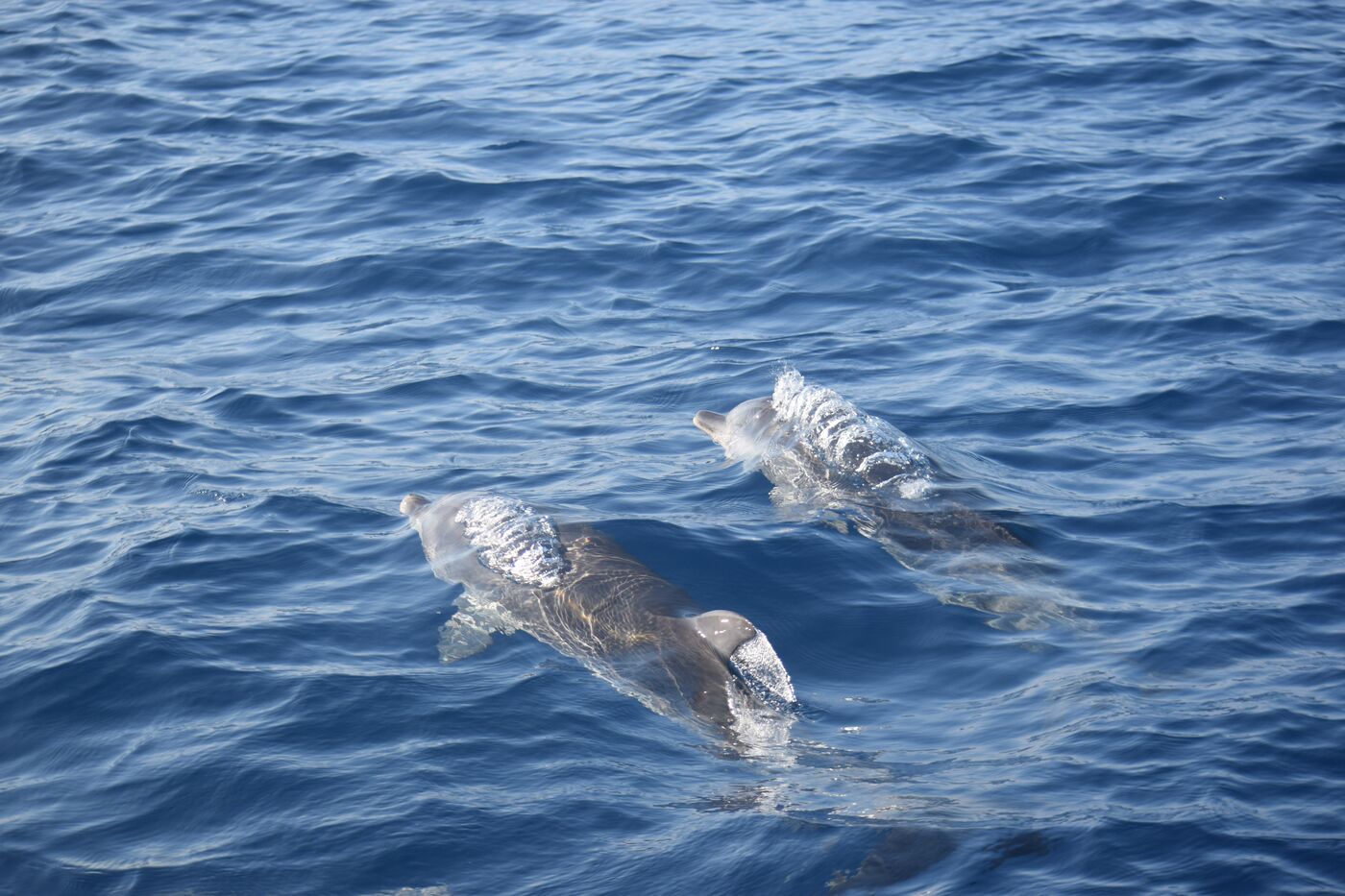
Groups are big. Thirty animals is ordinary and considerably more is not unusual.

Why they jump
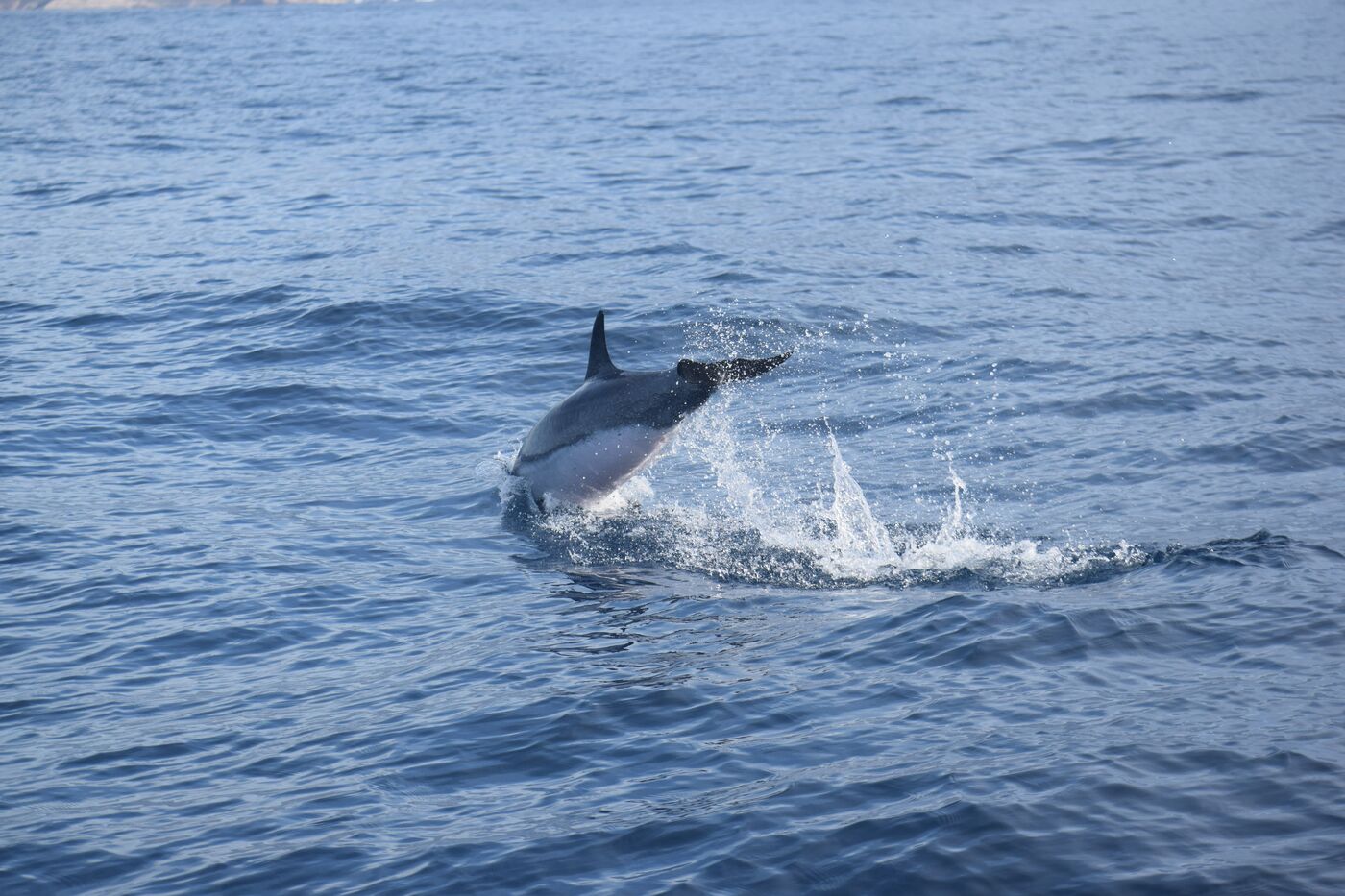
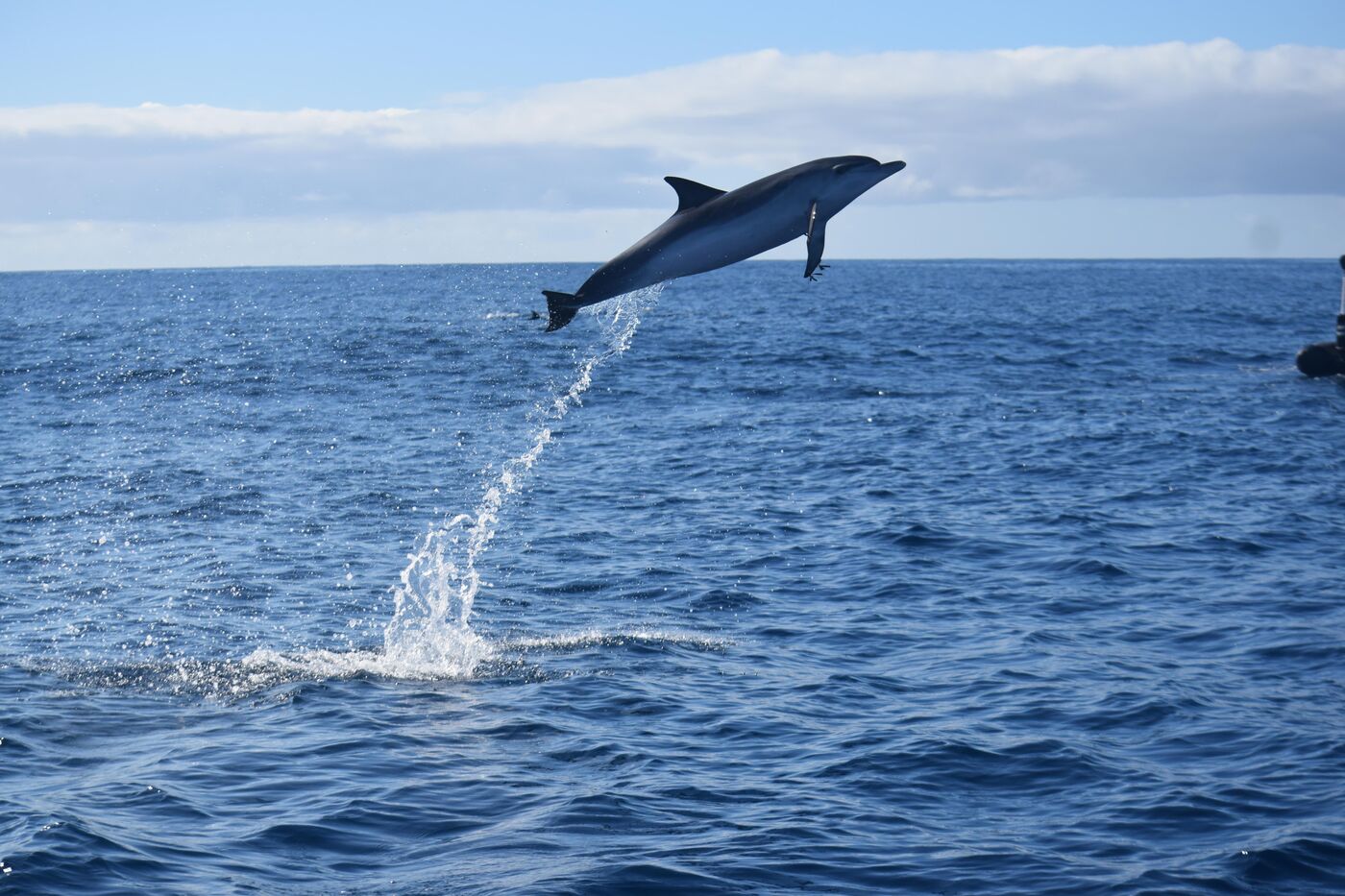
Leaping is not showing off for the boat. It is faster than swimming at the surface when a group is travelling quickly, it carries sound and visual signals to animals spread over a wide area, and it happens most when a group is hunting or excited.
The practical consequence is that a spotted dolphin encounter is loud, fast and over quickly, where a pilot whale encounter is slow and long.
Best odds
June to September, on a morning departure. Outside those months you may still meet them, but the resident bottlenose dolphins are the reliable part of the summer.
Common questions
Are spotted dolphins born with spots?
No. Calves are unmarked and the freckling develops over years, so the pattern is a rough guide to age.
Do they mix with other species?
Mixed groups with bottlenose dolphins are recorded, and both species are seen around pilot whales.
Are they here in winter?
Far fewer. They follow warm water, so winter sightings are the exception.
More Atlantic spotted dolphins
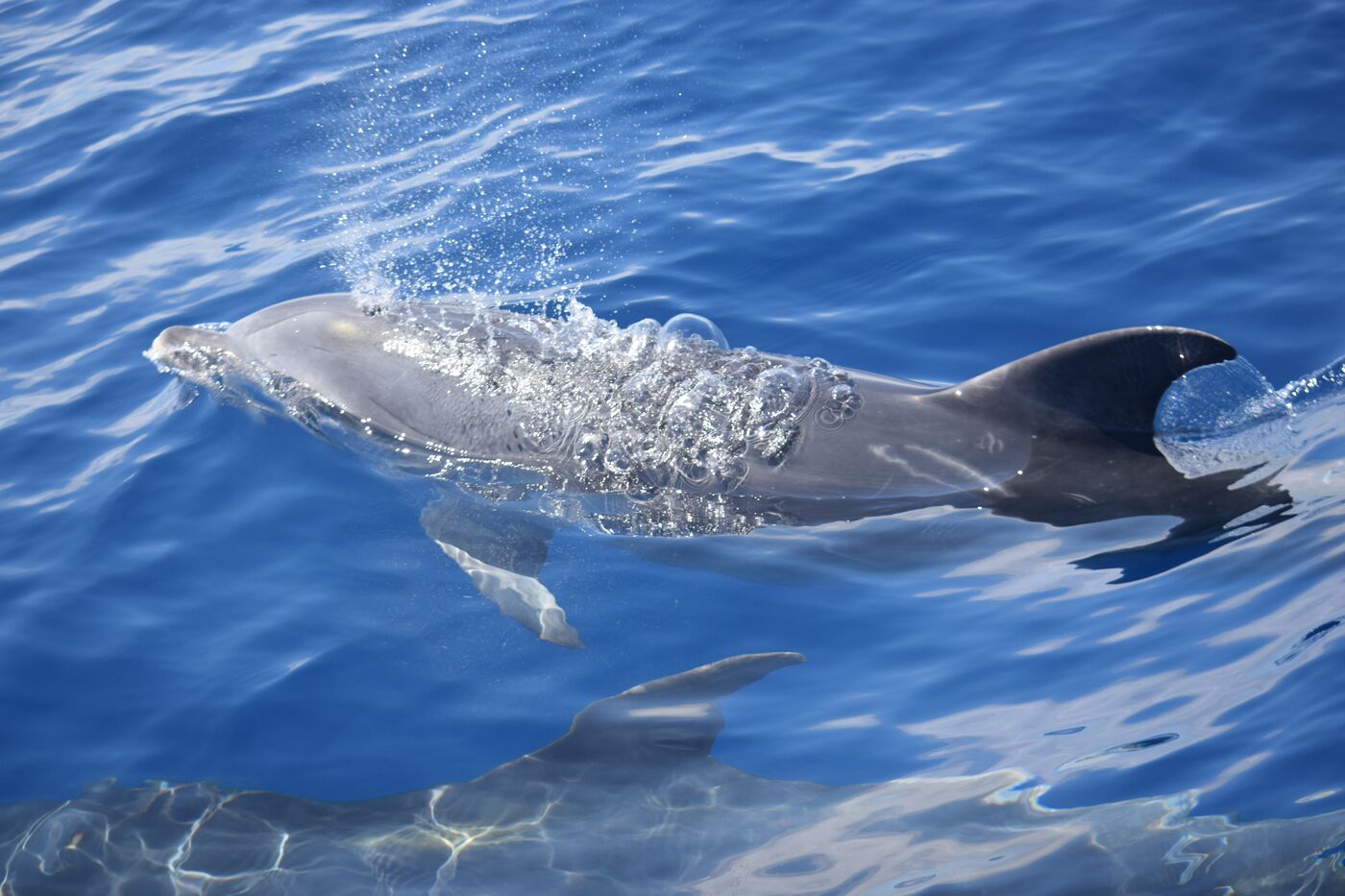
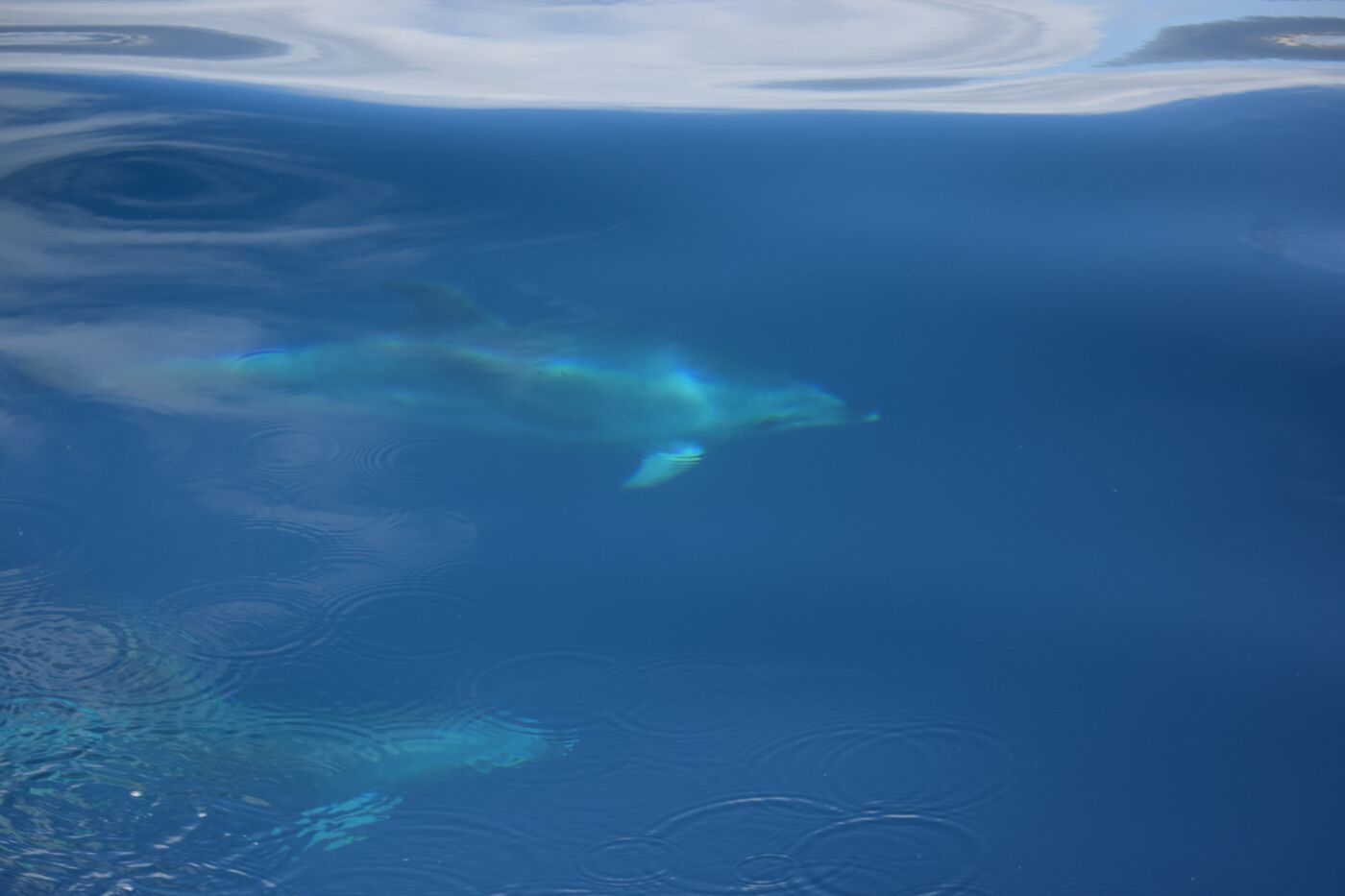
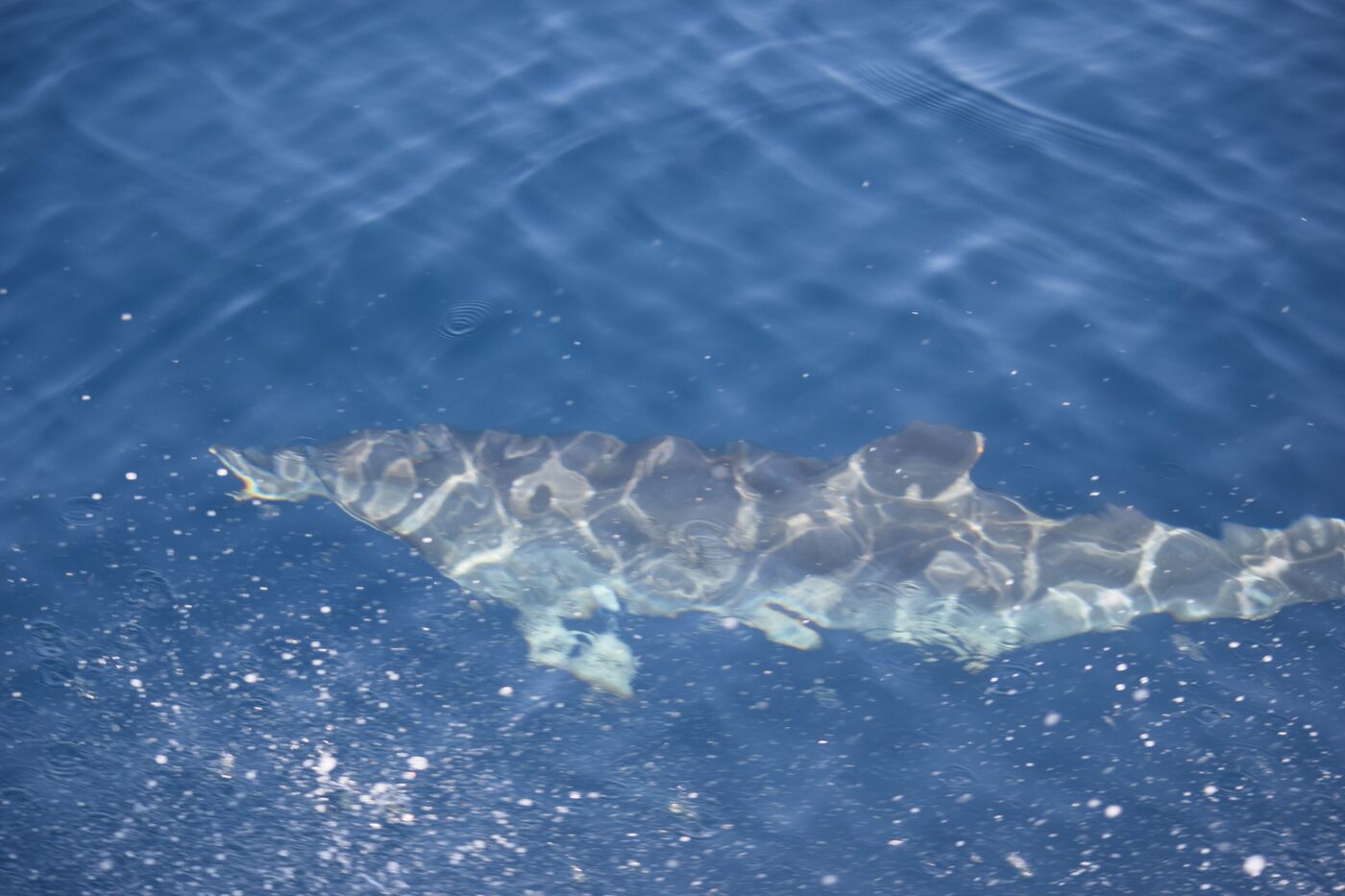
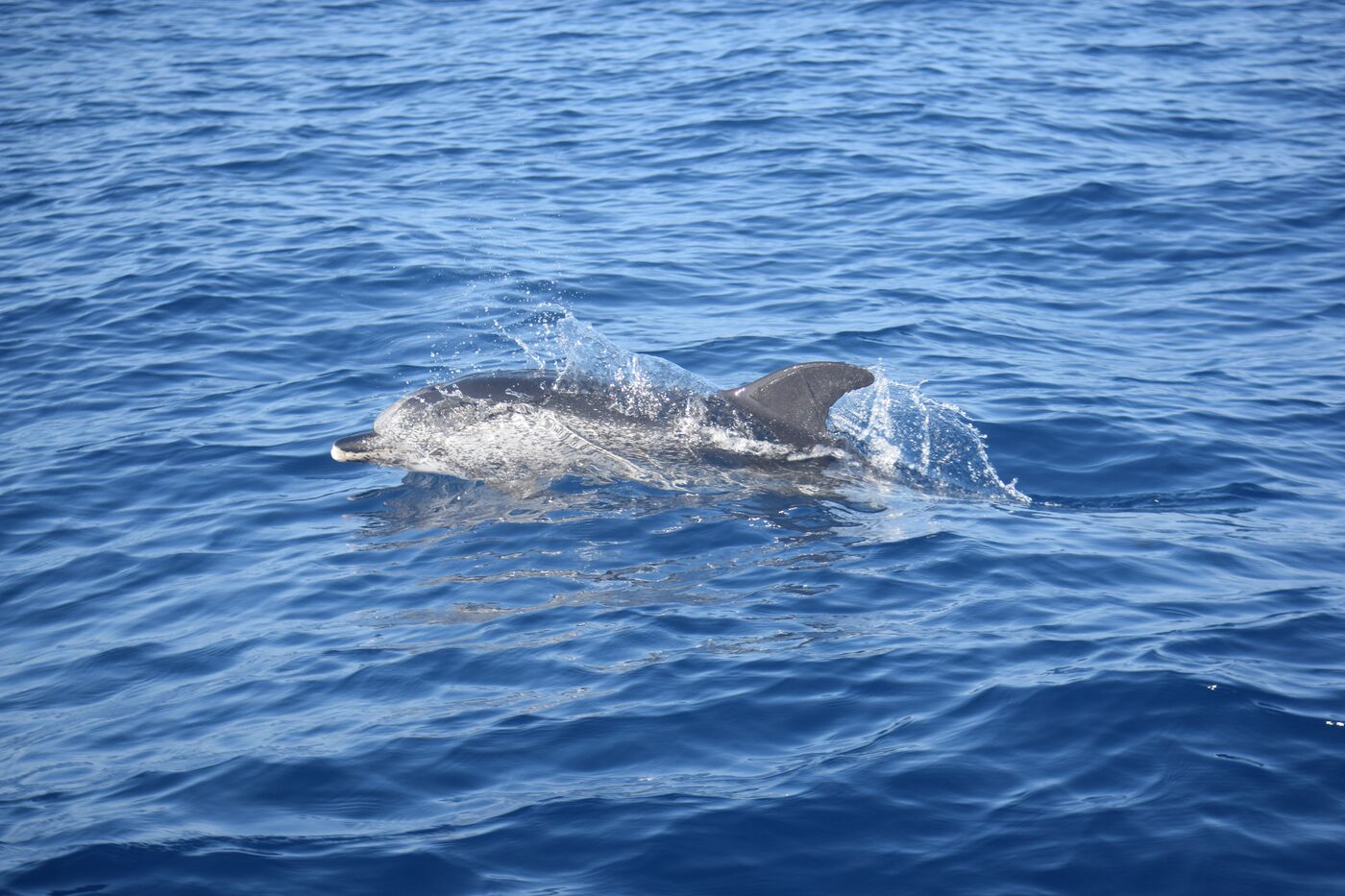
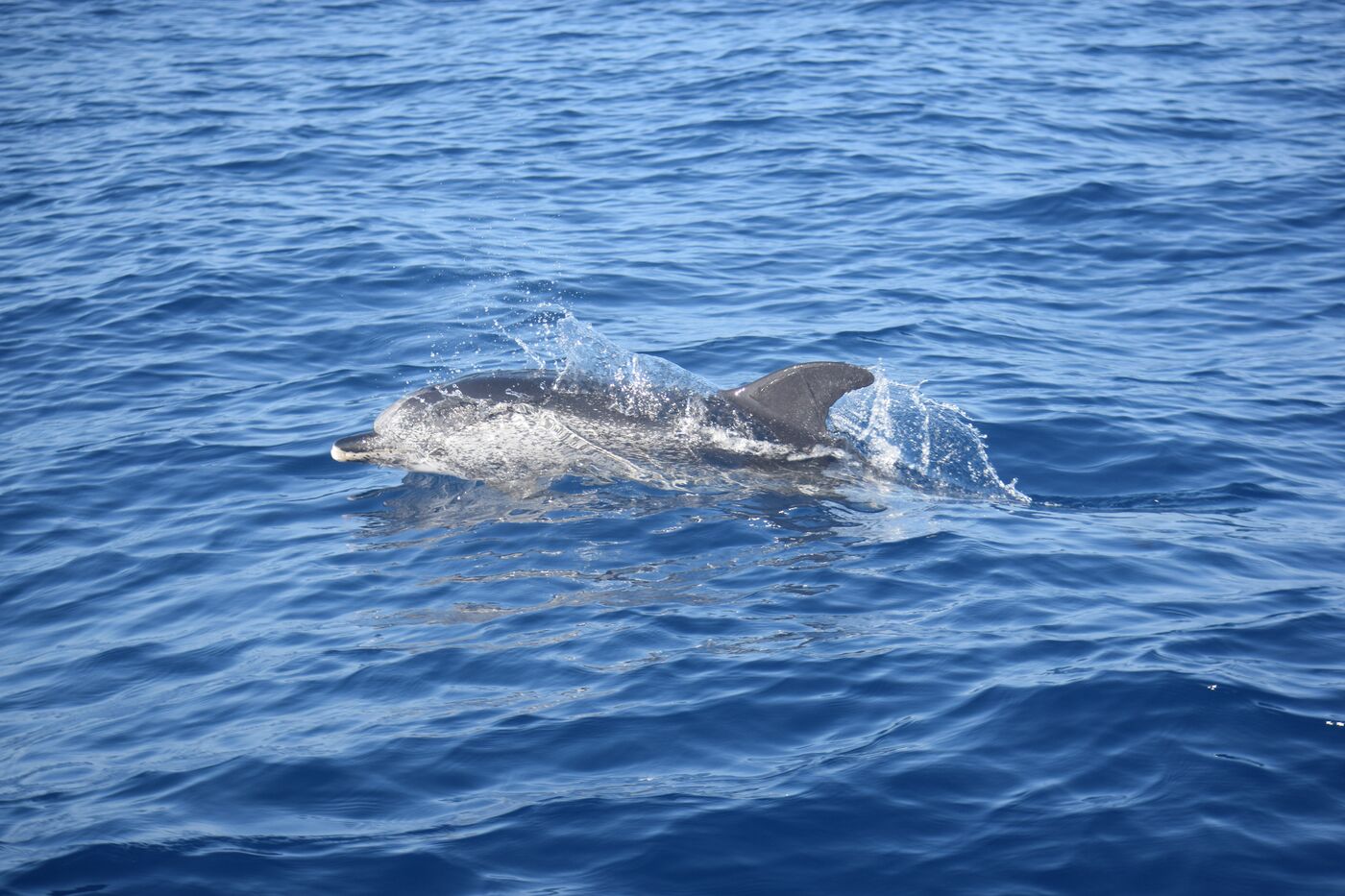
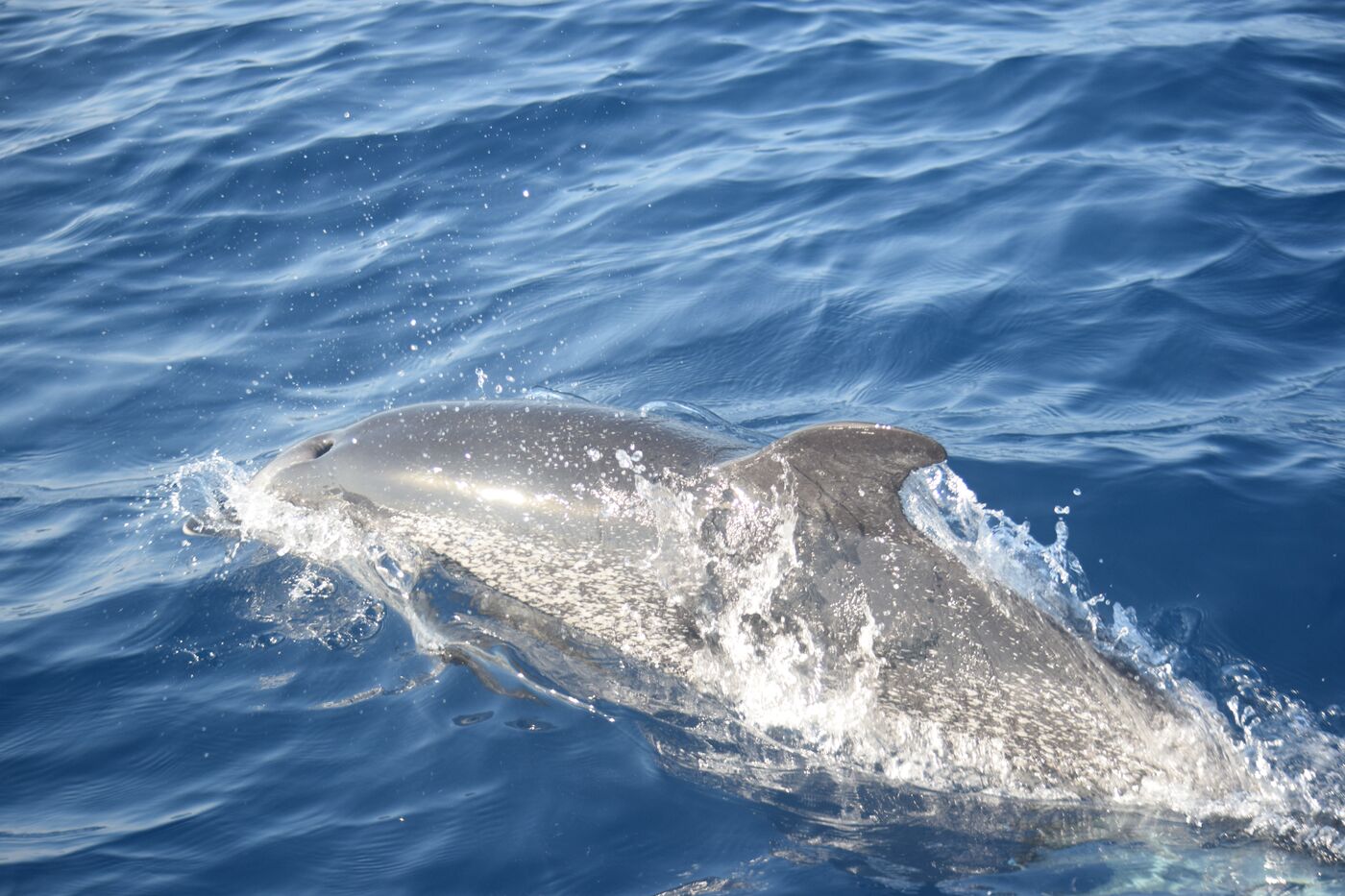
Summer visitors, photographed off south Tenerife. Tap any of them to see it full size.







2 h · max 10€60 per adult
Book